4.9
Rated 4.9 out of 5

(36,000+ reviews on Google across 150+ locations)

Arm Pain Clinic

Airrosti can fix the causes and symptoms of arm pain!

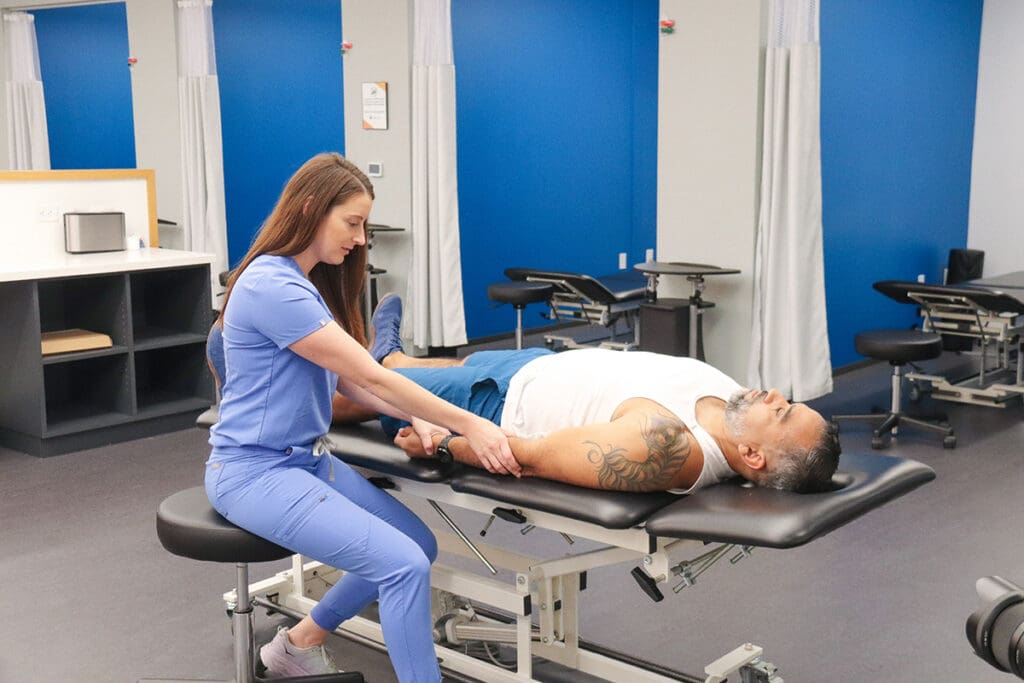
Woman with arm pain

Have questions or would like to schedule over the phone? Call us at 844-719-5079

Find an Airrosti Clinic Near You (OH, TX, VA, WA)

How Airrosti Can Help with Upper Arm Pain Treatment, Diagnosis, and Pain Relief for Upper Arm Issues

Accurate Diagnosis

We take the time needed for a thorough examination to find the underlying cause of your pain.

Targeted Manual Therapy

Airrosti Providers use hands-on manual therapy to treat your specific arm injury to reduce pain, increase mobility, and accelerate healing.

NonInvasive

No surgery, injections, or prescription medication.

Shorter Recovery Time

Patients have shorter recovery time with an average of 3.2 visits over 2 weeks.

Over 1.8+ Million
injuries treated!

Personalized Recovery Exercises

Speed your recovery and keep your pain from returning.

Over 1.8+ Million
injuries treated!

The Benefits of Arm Pain Treatment with Airrosti

If you have pain in your arm that affects your daily activities, an injury might be the cause.

 Join Airrosti’s Brooke Green, DC, as she explains some common causes and discusses treatment options that can help relieve your pain.

Still have questions or concerns about your arm pain? Schedule a no-cost video chat with one of our Providers.

What are the Causes of Arm Pains?

Discomfort in the arm can manifest in different spots, like the shoulder, elbow, or wrist. Upper arm pain is frequently connected to injuries, muscle overuse, or joint troubles. It may also arise from nerve compression or limited blood flow.

Though we typically link injuries with sudden impacts, repetitive actions and overuse can gradually wear down the muscles of the upper arm. Identifying the origin of the pain is crucial for determining the type of injury or issue, such as a muscle strain or joint condition. Effective upper arm pain treatment hinges on this understanding.

Arm Injury Symptoms

The symptoms of an arm injury can vary depending on the cause and location of the pain. Some signs to watch out for include:

• Tenderness or soreness

• Redness or swelling

• Joint stiffness or pain

• Numbness or tingling in the arm

• Limited range of motion

• Pain that radiates down the arm

In more serious cases, such as fractures or torn ligaments, bruising and difficulty moving the arm are common symptoms. It’s also important to note that upper arm pain, especially on the left side, combined with chest pain, dizziness, nausea, and shortness of breath, can be symptoms of a heart issue.

If you suspect you are having a heart attack or heart-related issue, please call 911 immediately.

Risk Factors for Arm Injuries

As we get older, the muscles and joints in our arms can be more susceptible to injury due to natural muscle loss. Younger individuals and athletes, especially those engaged in repetitive activities, face a higher risk of overuse injuries. Exercising with poor form or exceeding your body’s limits can also heighten the chance of developing arm pain. If you’re dealing with persistent upper arm pain, treatment is essential, and it’s important to have it assessed by a healthcare professional to avoid further complications.

Arm PAIN FAQS

Surgery is not usually necessary for arm pain. Most cases can be effectively treated with conservative methods such as rest, physical therapy, Airrosti care, and medications. Surgery may be considered if there is severe injury, such as a fracture, torn tendon, or nerve compression, that does not improve with conservative treatments. A healthcare professional will help determine if surgery is the best option based on the underlying cause and severity of the arm pain. 

Yes, it’s generally safe to take medications for arm pain, but it’s important to follow your healthcare provider’s recommendations. Over-the-counter pain relievers such as ibuprofen or acetaminophen can help reduce inflammation and alleviate discomfort. In more severe cases, prescription medications may be recommended. Always consult a healthcare provider before starting any new medication, especially if you have other health conditions or are taking other medications. 

Yes, self-care and specific exercises can help alleviate arm pain. Resting the affected arm and avoiding activities that worsen the pain are key in the early stages. Gentle stretches and strengthening exercises for the muscles in the arm, wrist, and shoulder can help restore function once the pain subsides. Icing the affected area, using a brace, and maintaining good posture can also help reduce pain and prevent further injury. Consulting an Airrosti Certified Provider can ensure you perform the right exercises for your condition. 

Yes, modifying your activity is important to avoid worsening the arm pain. Avoid activities that involve heavy lifting, repetitive motions, or excessive strain on the arm. Low-impact activities, such as walking or cycling, can help maintain fitness while allowing the arm to heal. Gradually reintroducing higher-impact activities as the pain improves is usually recommended. If pain persists or worsens, consult a healthcare provider for a proper evaluation and advice on activity modification.

Patient Testimonials

Related Topics:

Waking Up with Arm Pain

Exercises for Arm Pain

If You Are Symptoms, Don’t Wait, Get Arm Pain Treatment Today.

We offer both in-clinic and telehealth appointments to best suit your needs.

Reviewed by Casey Crisp, Doctor of Chiropractic

Disclaimer: Always consult with your doctor before starting any exercise program. If you experience any numbness, tingling or reproduction of your symptoms, please contact your doctor.

Got Pain?

Book your 15-minute, NO COST video chat with a Provider to learn about your injury and treatment options. Click here to Schedule