4.94 stars on Google (across 150+ locations)

Get Fast Relief from Back Pain

Feel better after your first visit*. No surgery. No long-term treatment plans.

*based on patient-reported outcomes;  94% reported significant improvement in their injury

WE FIX PAIN FAST®

“I was originally told that I would have to take pain injections and eventually get surgery for my back pain. But with Airrosti, I saved so much time and money! I will 100% go back to them for any other pain I have and recommend them to everyone!”

2026 | Kylie Gray

How We Treat the Most Common Causes of Back Pain

First Appointment

Accurate Diagnosis to find the underlying cause of your pain.

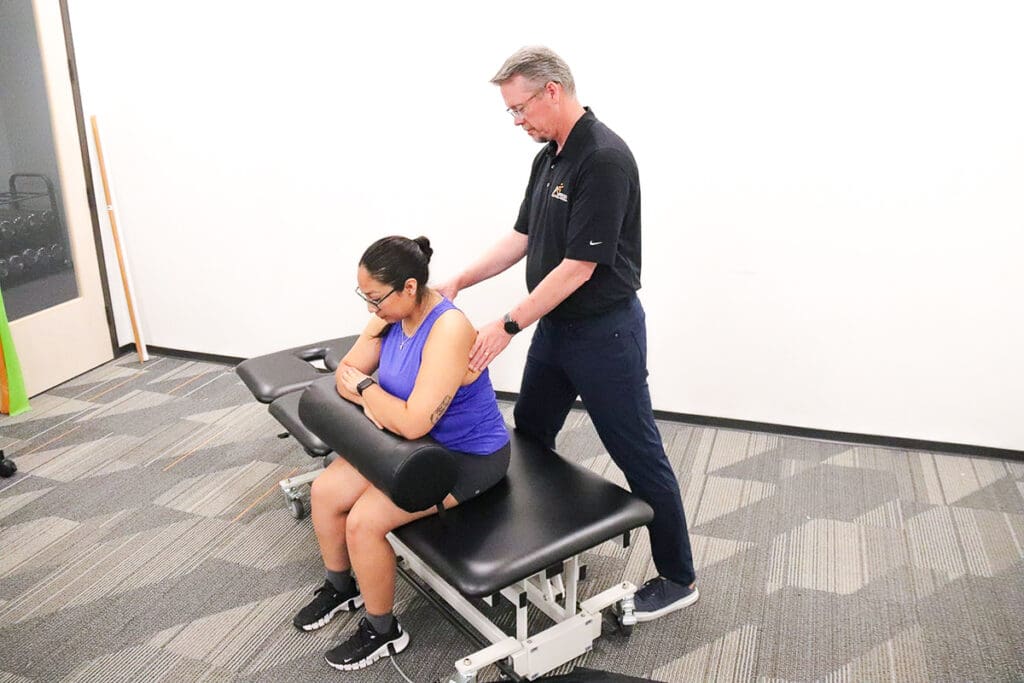
Targeted Manual Therapy: we use myofascial release to quickly reduce pain in your first visit.

Active Recovery Plan: customized exercises help you heal faster and prevent the pain from returning.

Shorter Recovery Time

Most patients see resolution in an average of 3-4 visits over a 2-week period*.

Fixing the Problem

Other treatments focus on managing symptoms, but Airrosti focuses on eliminating the underlying problem.

See what our patients have to say

WHAT CAUSES Upper BACK PAIN?

Upper back pain can have several causes, and therefore, present itself differently case by case. Common causes include:

Often due to repetitive movements or overexertion, and commonly seen in athletes.

Direct impacts from accidents or falls can damage the spine, bones, muscles, or ligaments in your back, potentially causing upper left back pain or upper right back pain.

Herniated discs occur when the vertebral discs in our spine either rupture or bulge, pressing against nerve roots and causing discomfort or pain.

Conditions like osteoarthritis or degenerative disc disease can gradually wear down spinal discs and joints, leading to pain or discomfort.

Slouching or hunching, common among desk workers and those with sedentary lifestyles, can strain the upper back. Moreover, standing with poor posture for extended periods can worsen these issues, and may lead to back pain when standing.

This condition occurs when the spaces within your spine narrow, putting pressure on the nerves that travel through the spine. It can result in pain, numbness, or muscle weakness in the upper back and extremities.

Other causes of upper back pain include Upper Cross Syndrome, a muscle imbalance leading to pain and muscle weakness, and scoliosis, an abnormal spinal curvature that can cause discomfort.

What Does Upper Back Pain Feel Like?

Symptoms of upper back pain depend on the type of injury or condition you may be experiencing.

Common symptoms of upper back pain include:

• Aching or throbbing pain

• Sharp or stabbing sensations

• Muscle tightness and tension

• Tingling or numbness that extends from your upper back to your shoulders and arms

• Pain that radiates down your back, possibly indicating a pinched nerve

woman standing up, working from home, with back pain

Middle back pain symptoms & Causes

Similar to upper back pain, middle back pain shares many common symptoms, including:

• Tightness or stiffness in the joints or muscles 

• Muscle aches 

• Sharp, aching pain 

Pain in the middle of your back may share similar causes to upper or lower back pain, such as a muscle strain or sprain from poor form when working out or lifting objects, a direct injury from a fall or accident, or a herniated disc. Other causes or factors can be poor posture, osteoarthritis, or aging. 

You should always consult with a healthcare professional to determine the cause of back pain, regardless of its location. 

Back pain can stem from several causes, such as an injury, health condition, or lifestyle factors, and develop into a chronic condition over time, lasting months or even years.

Chronic back pain can cause long-term restrictions in your overall mobility and quality of life.

Still have questions or concerns about your back pain? Schedule a no-cost video chat with one of our Providers.

Back Pain FAQS

Surgery is not always necessary for mid and upper back pain. In many cases, conservative treatments such as rest, physical therapy, Airrosti care, medication, and lifestyle modifications can effectively manage symptoms and improve mid back function. Surgery may be considered if conservative treatments fail to provide relief, or if there is evidence of structural issues such as spinal instability or compression of nerves that require surgical intervention. It’s important to discuss all treatment options with a healthcare professional to determine the best course of action. 

It’s generally safe to take medications for mid and upper back pain, but it’s important to use them as directed by your healthcare provider. Over-the-counter pain relievers such as acetaminophen or nonsteroidal anti-inflammatory drugs (NSAIDs) can help reduce inflammation and alleviate discomfort. Prescription medications such as muscle relaxants or corticosteroids may be recommended for more severe cases of mid back pain. It’s important to consult with a healthcare professional before starting any new medication regimen, especially if you have underlying health conditions or are taking other medications. 

Yes, there are several self-care techniques and exercises that can help alleviate mid and upper back pain. These may include gentle stretching exercises to improve flexibility, strengthening exercises to support the spine and core muscles, and postural correction techniques to maintain proper alignment of the spine. Additionally, applying heat or ice to the affected area, using ergonomic furniture and workspace setups, and practicing stress-reduction techniques such as deep breathing or meditation can help alleviate muscle tension and discomfort. 

While it’s important to avoid activities that exacerbate back pain, completely restricting all activity may not be necessary. Modifying activities to reduce strain on the mid back and incorporating rest breaks can help alleviate symptoms. Low-impact exercises such as walking, swimming, or yoga can be beneficial for maintaining mobility and promoting healing without putting excessive strain on the mid back. However, if mid back pain persists or worsens with activity, it’s important to consult with a healthcare professional for proper evaluation and guidance on activity modification.

Patient Back Pain Treatment Testimonials

If You Are Suffering from Symptoms, Don’t Wait, Get Back Pain Treatment Today.

We offer both in-clinic and telehealth appointments to best suit your needs.

Reviewed by Casey Crisp, Doctor of Chiropractic

Disclaimer: Always consult with your doctor before starting any exercise program. If you experience any numbness, tingling or reproduction of your symptoms, please contact your doctor.

Got Pain?

Book your 15-minute, NO COST video chat with a Provider to learn about your injury and treatment options. Click here to Schedule