Our virtual care option, Airrosti Remote Recovery is available nationwide.
(36,000+ reviews on Google across 150+ locations)
Have questions or would like to schedule over the phone? Call us at 844-719-5079
Find an Airrosti Clinic Near You (OH, TX, VA, WA)
We take the time needed for a thorough examination to find the underlying cause of your pain.
Airrosti Providers use hands-on manual therapy to treat Upper Cross Syndrome to reduce pain, increase mobility, and accelerate healing.
No surgery, injections, or prescription medication.
Patients have shorter recovery time with an average of 3.2 visits over 2 weeks.
Speed your recovery and keep your pain from returning.
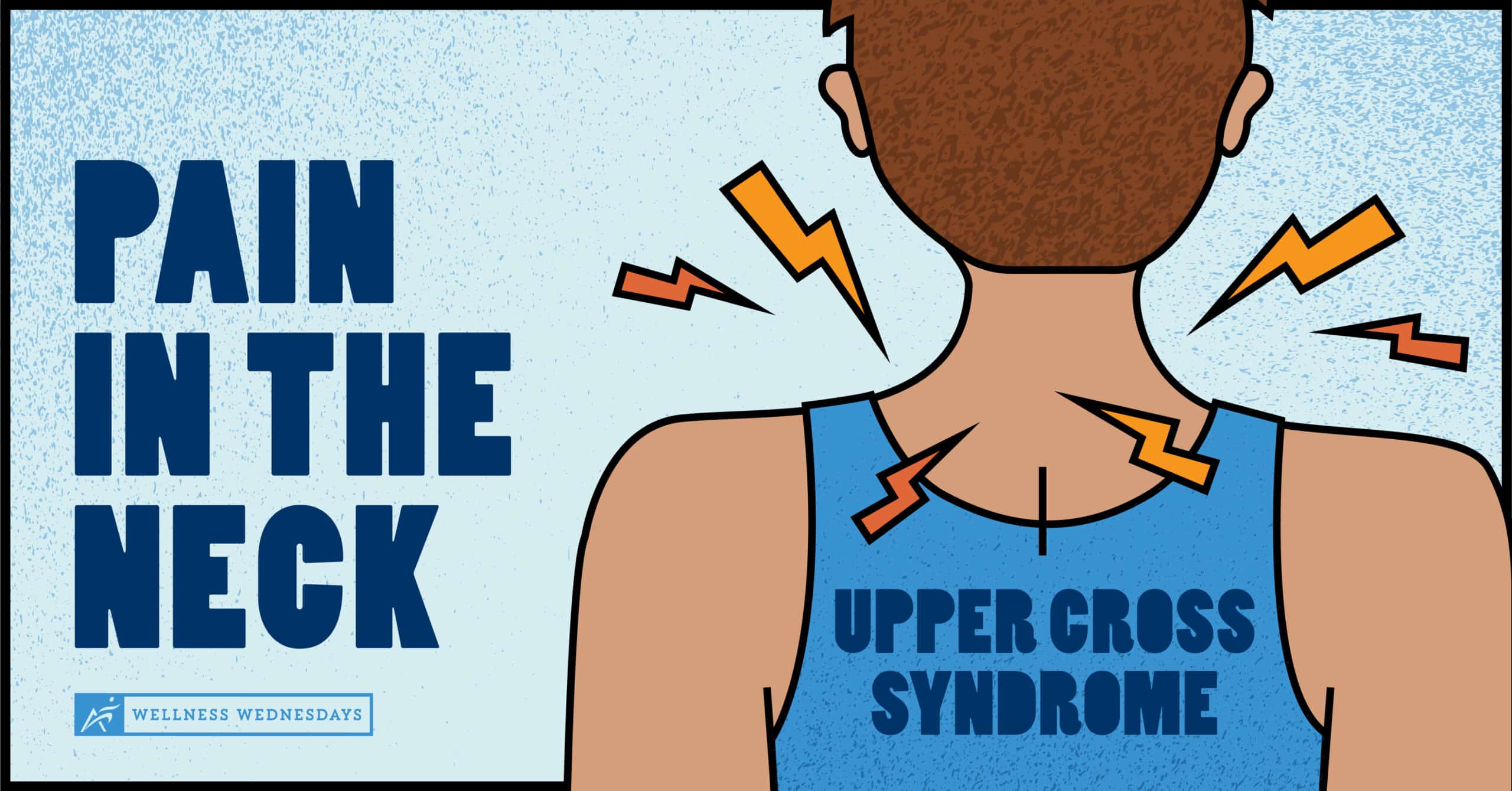
You might not recognize the term Upper Cross Syndrome (or Upper Crossed Syndrome), but it’s likely you’ve encountered it. This condition, stemming from muscle imbalance due to prolonged poor posture, manifests as rounded shoulders, a forward head, and a noticeable curvature in the neck and upper back.
Though often associated with older adults, Upper Cross Syndrome is also prevalent among office workers and athletes. In truth, it’s one of the most frequent postural issues across all age groups. Proper Upper Cross Syndrome treatment involves addressing these imbalances to restore alignment.
Have you heard of Upper Cross Syndrome, but you’re not too sure what it is? Discover if your upper back or neck pain is actually Upper Cross Syndrome by making an appointment with Airrosti today, either in-clinic or virtually.
Still have questions or concerns about Upper Cross Syndome? Schedule a no-cost video chat with one of our Providers.
The muscles of the human body are interconnected. When one muscle becomes weak, another muscle takes over the work. In Upper Cross Syndrome, mid and upper back muscles (serratus and trapezius) become weak. As a result, the pectoral and neck muscles tighten. This causes pain throughout the upper body, including shoulder pain and neck pain, as well as a reduced range of motion.
Simply put, Upper Cross Syndrome is a muscle imbalance caused by the weakening and lengthening of the posterior upper back and neck muscles, combined with the tightening and shortening of the opposing anterior pectoral (chest) and neck muscles. This imbalance can lead to joint dysfunction.
Unlike some conditions, Upper Cross Syndrome is often quite visible. People typically notice their shoulders becoming rounded and hunched, with the neck and head tilting forward. The spine may curve inward near the neck and outward in the upper back and shoulders.
Additionally, the muscle imbalances linked to Upper Cross Syndrome place stress on nearby muscles, tendons, bones, and joints. Effective Upper Cross Syndrome treatment can help alleviate these stresses and improve posture.
•Headaches
•Neck pain or strain in the back of the neck
•Chest pain and tightness
•Pain in the upper back, especially the shoulders
•Difficulty sitting, reading, watching television, or driving for long periods of time
•Restricted range of motion in the neck or shoulders
•Numbness, tingling, and pain in the upper arms
Individuals with a sedentary lifestyle are most at risk for developing Upper Cross Syndrome. Long hours of sitting at a computer, watching television, or using a smartphone can contribute to bad posture. This prolonged poor posture can weaken the rhomboid and neck flexor muscles while tightening and shortening the pectoral and upper trapezius and levator scapulae muscles.
As a result, this is what’s known as the “cross” pattern where the condition gets its name. This imbalance causes the spine to pull forward, significantly increasing the amount of stress on the supporting muscles.
Subsequently, while poor posture and too much sitting are leading causes of Upper Cross Syndrome, it is not uncommon to find this condition in athletes, especially swimmers and weightlifters. This is due to overuse of the muscles around the neck, shoulders, and upper back.
•Headaches
•Neck pain or strain in the back of the neck
•Chest pain and tightness
•Pain in the upper back, especially the shoulders
•Difficulty sitting, reading, watching television, or driving for long periods of time
•Restricted range of motion in the neck or shoulders
•Numbness, tingling, and pain in the upper arms
Upper Cross Syndrome is a persistent issue that results in notable muscle imbalances, potentially causing chronic back pain. For those who are active or athletes, these imbalances can diminish mobility and hinder overall performance. Without proper Upper Cross Syndrome treatment, ongoing pressure on the front of the vertebrae can lead to spinal damage.
Surgery is not required for upper cross syndrome. This condition is caused by poor posture and muscle imbalances and is typically treated with non-invasive approaches like physical therapy, Airrosti care, exercises, and posture correction. Surgery would only be considered if there were structural damage to the spine, which is rare in cases of upper cross syndrome. A healthcare provider can guide you on effective non-surgical treatments to correct the issue.
Yes, over-the-counter pain relievers like ibuprofen or acetaminophen can help manage pain and inflammation associated with upper cross syndrome. However, medication alone won’t correct the muscle imbalances that cause the condition. It’s important to combine medications with physical therapy and exercises designed to address posture issues. Consult with a healthcare provider before using medications, especially if you have other health conditions.
Yes, self-care and specific exercises are key to managing upper cross syndrome. Focusing on posture correction and exercises that strengthen the weak muscles (like the neck flexors and lower trapezius) and stretch the tight muscles (like the chest and upper back) can relieve symptoms. Consistently practicing good posture and taking breaks from prolonged sitting can also improve recovery. An Airrosti provider can provide you a tailored exercise plan to address muscle imbalances.
Limiting activities that exacerbate poor posture, such as long hours of sitting or slouching, is important for managing upper cross syndrome. While it’s essential to modify habits that contribute to the muscle imbalances, staying active with exercises that promote proper posture and muscle balance is crucial. Avoid repetitive activities that overwork the neck and upper back without proper alignment, and incorporate regular breaks to adjust posture throughout the day. Working with a healthcare provider can help guide you in making the necessary lifestyle changes
For about 2 months or so I’ve been having this sort of discomfort/pain in the upper back region and every other day it would be on the right or left side. I went to see Dr. McGowan about it and she began asking all kinds of questions to see what kind of pain or discomfort, in what particular region of the body, how often do I have this discomfort/pain, as well as what could be the issue of it occurring. She managed to figure out where in the upper back the discomfort was located and managed to do a deep tissue massage in order to stretch out that particular muscle and also do a couple of exercises at home and/or at the gym in order to relieve any tension or discomfort in that particular part of the back. So far I feel way better than I di... + show mored a couple months ago. I know for a fact that if I ever need some pain relief or readjustment I’d go to Dr. McGowan.
by Shadai Siguenas
We offer both in-clinic and telehealth appointments to best suit your needs.
Reviewed by Casey Crisp, Doctor of Chiropractic
Disclaimer: Always consult with your doctor before starting any exercise program. If you experience any numbness, tingling or reproduction of your symptoms, please contact your doctor.
We use cookies to improve your experience, analyze usage, and support our services. By clicking “Accept”, you consent to our use of cookies. You can manage your cookie and data usage settings through the Manage Preferences link below.
© Copyrights Airrosti Rehab Center, LLC 2024. All rights reserved. | Privacy Policy | Standards & Practices | Terms of Use & Service | HIPAA Notice of Privacy Practices | Disclaimer | Equal Opportunity Employer | Notice of Non-Discrimination
“Airrosti” is the registered tradename used for Airrosti Rehab Centers, LLC and its various subsidiary and affiliated entities, which provide musculoskeletal treatment services. Airrosti providers are doctors of chiropractic or doctors of physical therapy.
Book your 15-minute, NO COST video chat with a Provider to learn about your injury and treatment options. Click here to Schedule